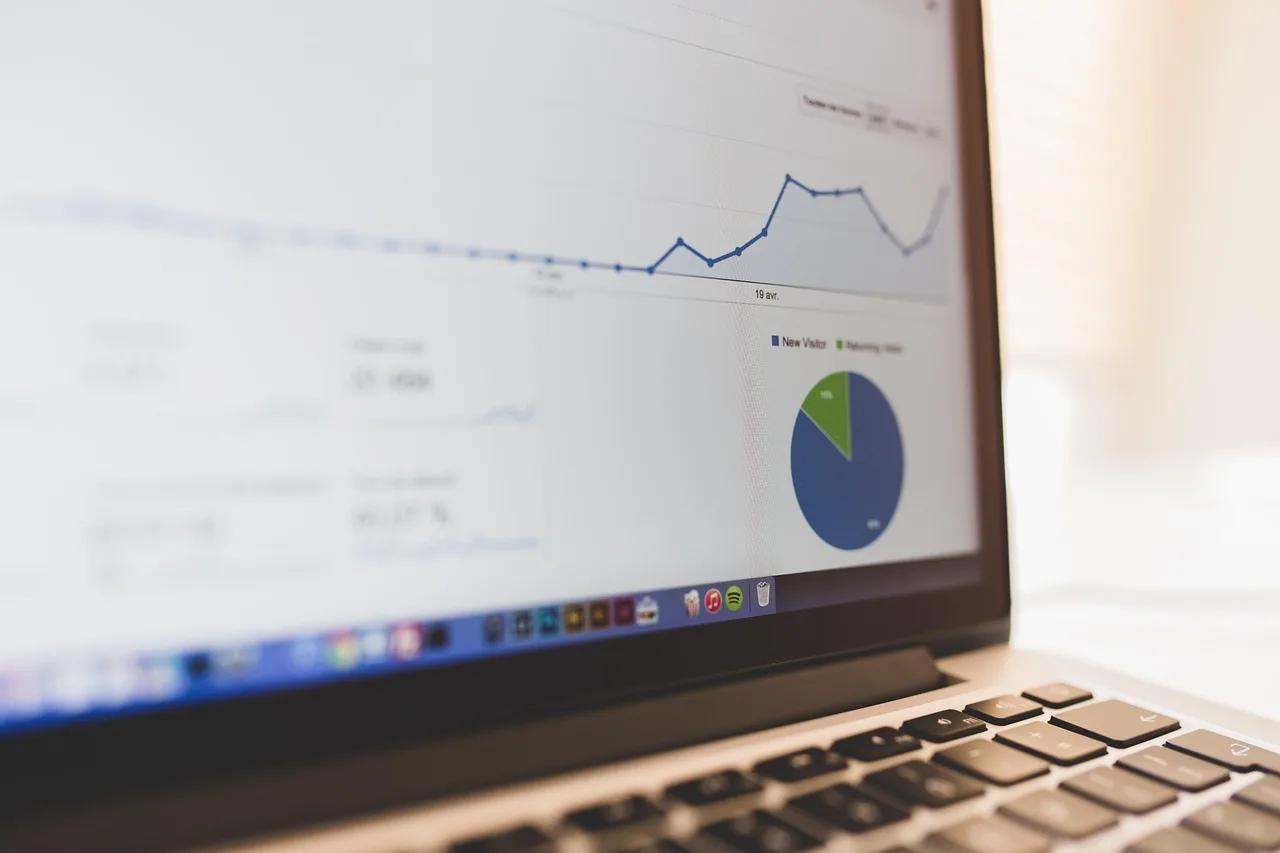
Traditional analytics tells you what happened. AI analytics starts to tell you why — and sometimes what to do about it. Here's what this shift looks like in practice and what it means for product teams.
The analytics stack of five years ago was powerful and limited. Powerful because it could track almost anything. Limited because it required a human analyst to translate raw data into insight, and human analysts have finite time and cognitive bandwidth. The bottleneck wasn't data — it was interpretation.
AI is moving that bottleneck. Not eliminating it — interpretation still requires judgment. But compressing the time from data to hypothesis dramatically.
How AI Changes Product Analytics in Practice
Automated anomaly detection
The old way: someone notices a metric moving and alerts the team. The new way: the analytics system notices the metric moving, identifies it as statistically anomalous, and alerts the team with context about what else was happening at the same time. Instead of catching anomalies when someone checks the dashboard, you catch them when they happen — with the initial correlational analysis already done.
Behavioral pattern identification
Identifying the behavioral patterns that predict retention, conversion, or churn used to require either expensive data science work or the specific intuition of an experienced PM. Machine learning models can now identify these patterns at scale — finding the combination of behaviors that distinguishes your high-value retained users from your churned users, across thousands of variables simultaneously.
Natural language analytics interfaces
The shift from SQL-based analytics to natural language queries is early but real. PMs who can ask "which segments have the best 90-day retention?" or "what's the path most taken by users who convert to paid?" and get immediate answers — without waiting for an analyst or learning SQL — are getting answers to questions they previously couldn't afford to ask. The cost of curiosity has dropped dramatically.
Predictive signals
Rather than reporting on what already happened, AI-enhanced analytics can generate predictions: which users are likely to churn in the next 30 days based on their current behavioral pattern? Which acquisition cohorts are likely to have high LTV? Which feature combinations predict whether a user will upgrade? These predictions aren't always right, but they're better than guessing — and they're available to PMs who couldn't previously afford dedicated data science support.
What AI Analytics Doesn't Replace
Analytics tells you where to look. It doesn't tell you what to do. When AI surfaces a pattern — users who do X have 40% better retention — the PM still needs to figure out why, whether X is causal or merely correlated, and what intervention would actually improve retention for users who currently don't do X. That's judgment and research work, not analytics work.
The PM who treats AI-generated insights as finished analysis rather than as starting points for investigation will make expensive errors with high confidence. The PM who uses AI insights as hypotheses to be tested and understood will make better decisions faster.
Building your analytics capability?
Good analytics practice is as much about the questions you ask as the tools you use. I've helped product teams build analytics workflows that generate real insight. Let's talk about yours.
Work with Yogesh →